Britain’s AI Revolution Is Colliding With an Energy Crisis
Four recent news stories appear, at first glance, to have little in common.
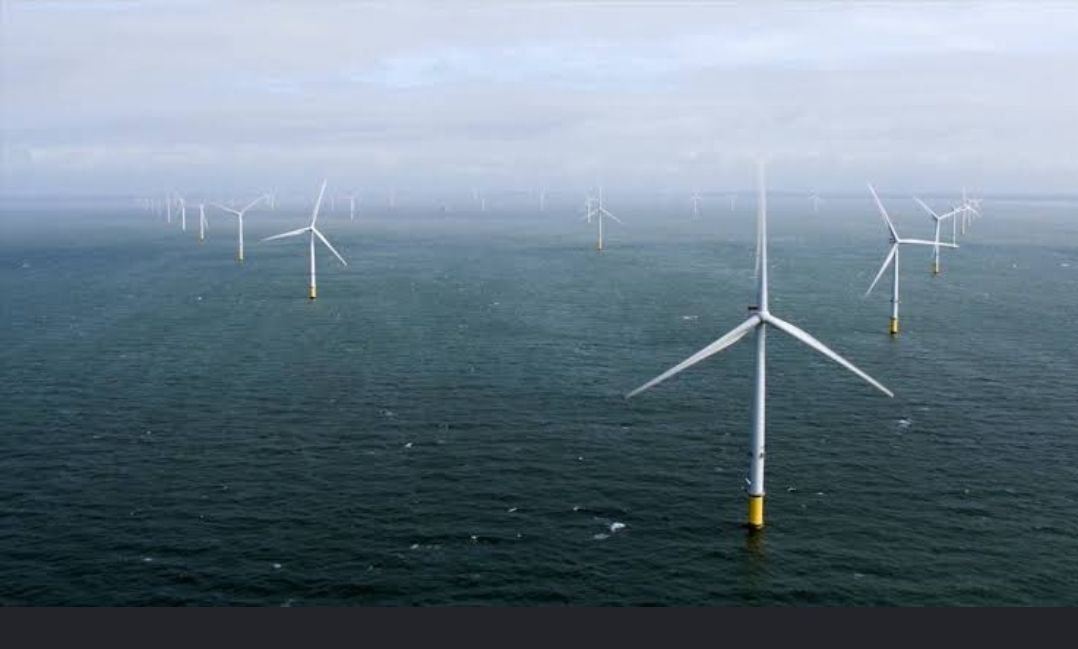
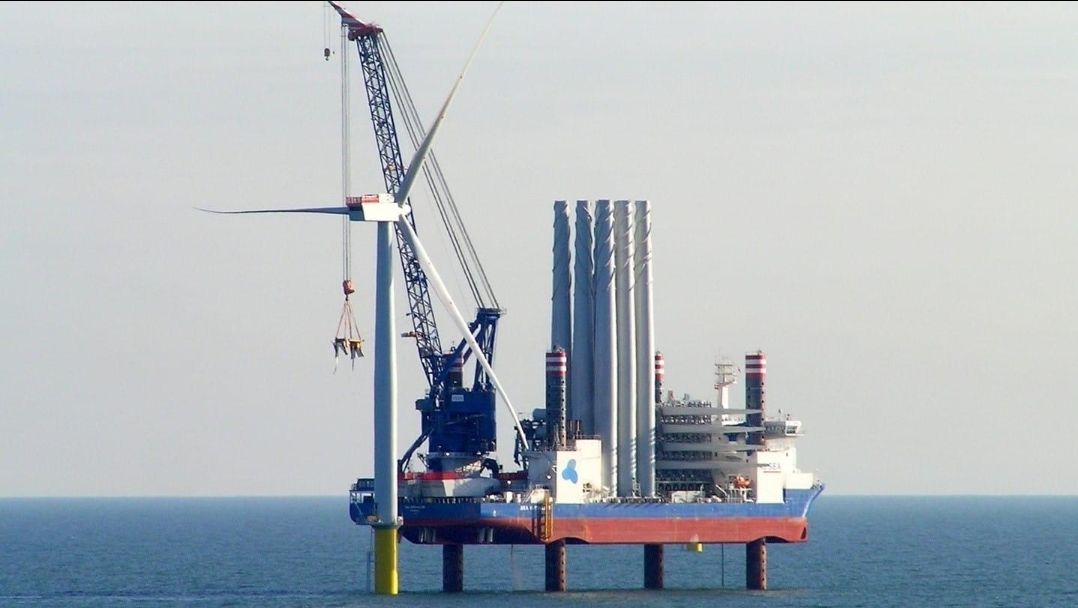
Scotland has approved two vast offshore wind farms in the Moray Firth, capable, we are told, of generating enough electricity to power two million homes.
At Hartlepool, the nuclear regulator has increased its oversight of EDF’s ageing power station, while stressing that it remains safe to operate.
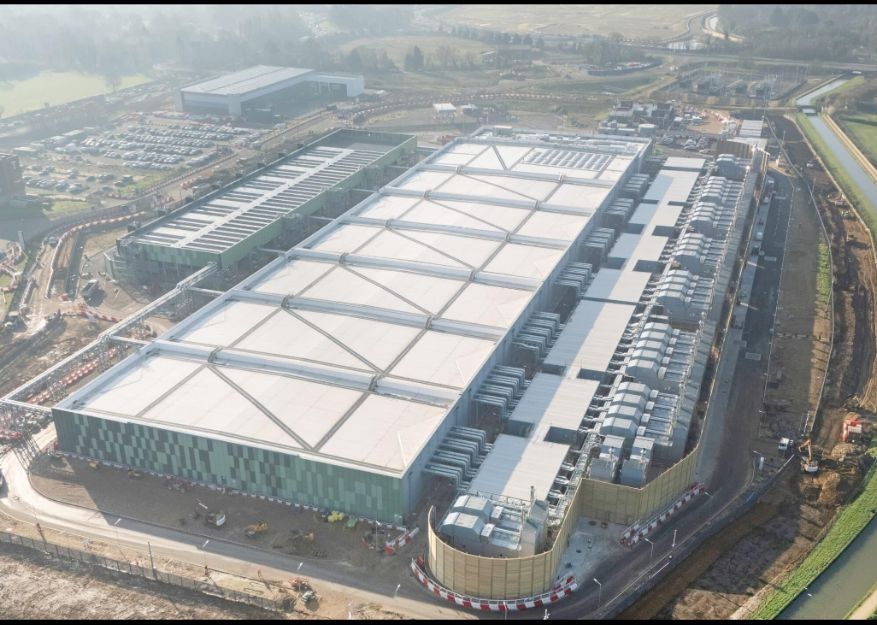
Near London, construction work is advancing on a giant hyperscale data-centre campus at Iver Heath.
And in South Yorkshire, Barnsley has been selected as Britain’s first government-backed “Tech Town”, where artificial intelligence will be tested across schools, healthcare, local businesses and council services.
But these are not four separate stories.
They are one story about a country creating enormous new electricity demand while failing to explain how that demand will be supplied reliably, affordably and securely.
Barnsley represents the Government’s AI ambition. Iver Heath represents the physical infrastructure needed to deliver it. The Moray Firth wind farms represent the preferred political answer to rising electricity demand. Hartlepool represents the dependable generating capacity Britain is struggling to replace.
That is the contradiction at the heart of modern energy policy.
Artificial intelligence is often presented as if it exists somewhere in the digital clouds. In reality, it operates inside vast industrial buildings filled with servers, cooling systems, transformers and backup equipment.
Every AI-generated council report, medical assessment, school application or automated public service requires electricity.
Lots of it.
The proposed CyrusOne data-centre campus at Iver Heath is expected to include ten data halls. Its computing equipment alone could require around 90MW of power, before cooling and other supporting systems are included.
Operating continuously, a facility of that scale could consume electricity broadly comparable to several hundred thousand homes.
And it does not merely require electricity averaged across a year. It needs secure and uninterrupted power every second of every day.
A hospital system, banking network, cloud platform or government database cannot simply wait for the wind to return.
That is why claims that the new Caledonia wind farms could “power two million homes” are so misleading.
The phrase sounds impressive, but it is an annual accounting comparison, not a guarantee of continuous supply.
A wind farm may produce a substantial amount of electricity over 12 months. But its output will rise and fall with the weather. A data centre’s demand will continue regardless.
When the wind is strong, the turbines may generate enormous quantities of power. When the wind is weak, something else must take over.
That “something else” is the part ministers rarely discuss.
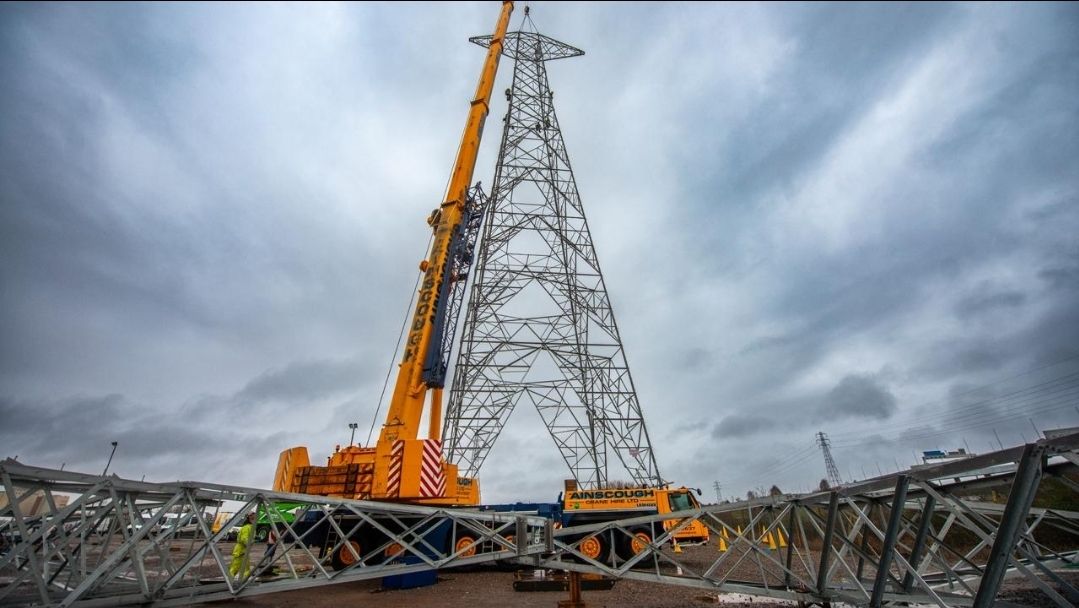
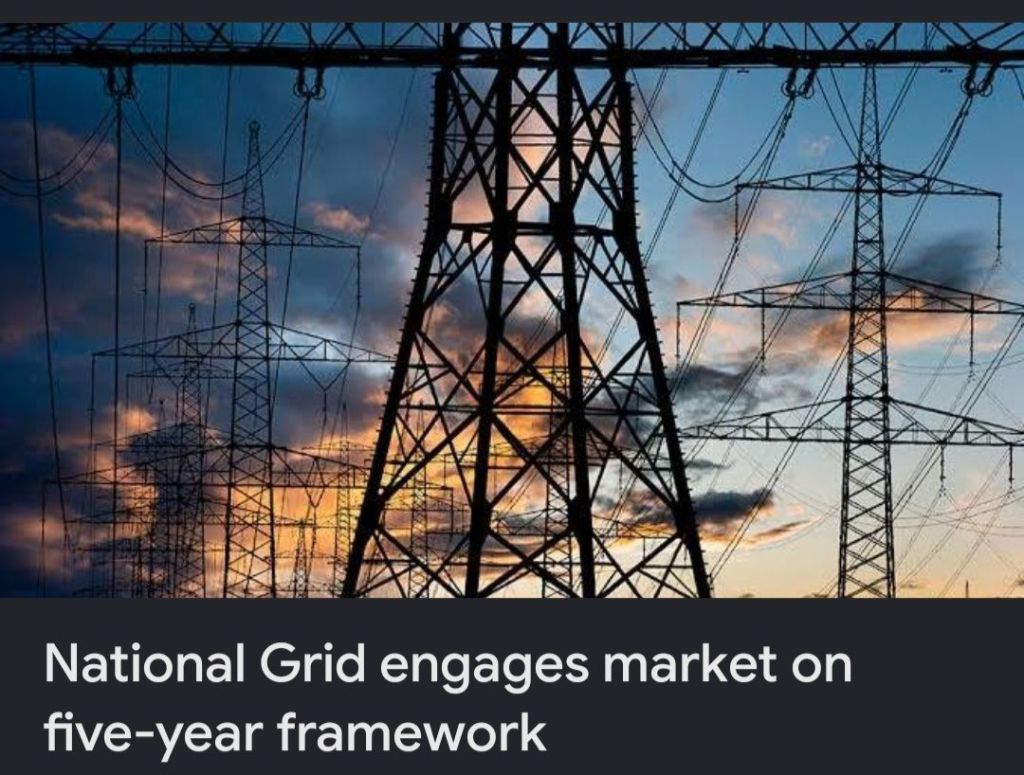
It may be nuclear power, gas generation, interconnectors, battery storage or other sources of reserve capacity. It will also require transmission lines, substations and transformers capable of transporting electricity from where it is generated to where it is needed.
The Caledonia projects would be built in the Moray Firth. The Iver Heath data centre would operate near London.
Electricity does not travel from northern Scotland to southern England by press release.
It needs an electricity network capable of carrying it across hundreds of miles. When that network is constrained, wind farms can be paid to reduce generation while other power stations are paid to produce electricity elsewhere.
The public pays both costs.
This is the weakness in Britain’s current strategy. Renewable generation is being approved faster than the network required to support it, while new industrial demand is being encouraged faster than dependable generating capacity is being replaced.
Hartlepool illustrates the danger.
The nuclear power station has generated weather-independent electricity since the early 1980s. It is now receiving significantly enhanced regulatory attention because improvements are required in areas including safety management, incidents and operational performance.
The regulator and EDF both state that the station remains safe to operate. This is not evidence of an immediate nuclear crisis.
It is, however, evidence that Britain’s dependable generating fleet is ageing.
Previous generations built the power stations that still support the system during dark, cold and windless conditions. Today’s governments have spent years promising replacements without delivering them quickly enough.
New nuclear has been delayed. Small modular reactors remain largely at the planning and procurement stage. Domestic gas production is politically restricted. Meanwhile, electricity demand is expected to rise through electric vehicles, heat pumps, industrial electrification, data centres and artificial intelligence.
We are increasing demand before securing supply.
Barnsley’s Tech Town project raises another connected concern: national sovereignty.
The programme is being supported by major American technology companies including Microsoft, Google, Cisco and Adobe.
Their expertise may bring benefits. But what happens when public services become dependent on systems controlled by foreign corporations?
Who owns the data? Where is it processed? Who controls the underlying software? What happens when free assistance ends and commercial contracts begin? Can councils move to another supplier, or will they become locked into one company’s technology?
These are not minor procurement questions.
If social care, education, healthcare and local government increasingly rely on AI platforms, then control of those systems becomes a matter of national resilience.
Energy sovereignty and digital sovereignty are becoming the same argument.
A country cannot claim to be technologically independent if it lacks control over the computing infrastructure, software, data and dependable electricity required to operate its essential services.
Britain needs an energy strategy based on the economy it is actually building.
That means recognising that artificial intelligence and data centres will increase electricity demand significantly.
It means building dependable generation before ageing stations are forced to close.
It means accelerating nuclear power, including British small modular reactors.
It means retaining sufficient dispatchable gas generation to protect the system when renewable output falls.
It means strengthening the transmission network before connecting more generation and demand than it can reasonably carry.
And it means ending the dishonest habit of presenting annual renewable output as though it were the same as continuous power.
Offshore wind can make a useful contribution. Artificial intelligence may improve productivity. Data centres are essential to the modern economy.
But none can be considered in isolation.
The Government is building an electricity-intensive digital future on top of a power system already struggling with ageing assets, network constraints and a shortage of dependable replacement capacity.
That is not a strategy.
It is a gamble.
Shane Oxer. Campaigner for fairer and affordable energy
 SAY NO TO THE DESTRUCTION OF OUR LAND
Leave a comment