
Author: Sh4ne024
-
THE GREEN BLOB: THE TRILLIONS, THE SPIN AND THE BILL HANDED TO YOU
Industrial developments become “farms”, hardware becomes “green”, and the complete bill remains unanswered. Follow the money, question the language and make them show the evidence.
-
TAKE A WALK. THEN MAKE THEM SHOW THE EVIDENCE.
I have been to Walshaw Moor and Hope Moor, and close to Scout Moor. Five photographs from my Walshaw and Pennine walks show why the countryside deserves a place in Britain’s full national energy assessment.
-
WOULD YOU SIGN A BLANK CHEQUE?
You would ask for the full price before agreeing to a new kitchen. Britain deserves the same common sense before households, businesses and the countryside carry the consequences of its energy transformation.
-
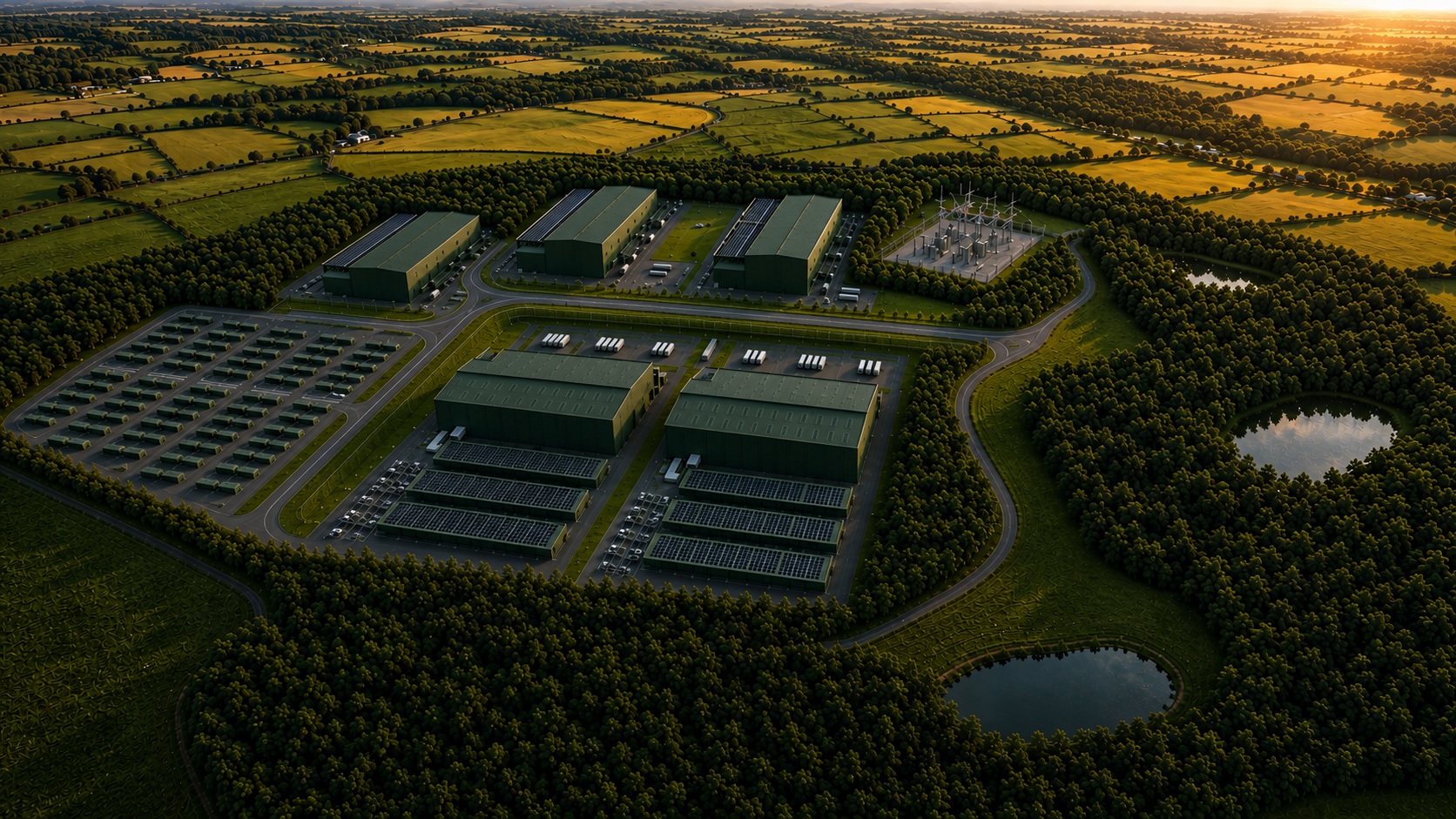
DEVON — 850 ACRES, 1.5GW OF AI AND A 1.8GW BATTERY: WHERE IS THE POWER PLAN?
The same Alverdiscott grid point once intended to receive 3.6GW from Morocco is now being promoted for a 1.5GW AI campus and 1.8GW battery. Yet the public still has no complete power, grid, water or lifetime-cost account.
-
IF GAS IS THE CULPRIT, EXPLAIN THIS: THE £40.8 MILLION COST HIDING IN BRITAIN’S ELECTRICITY SYSTEM
Wholesale gas in 2024–25 was broadly comparable with 2008–13 in real terms. Yet voltage-control and constraint costs surged this summer. The July data raises a harder question: what is the full cost of the electricity system Britain is building?
-
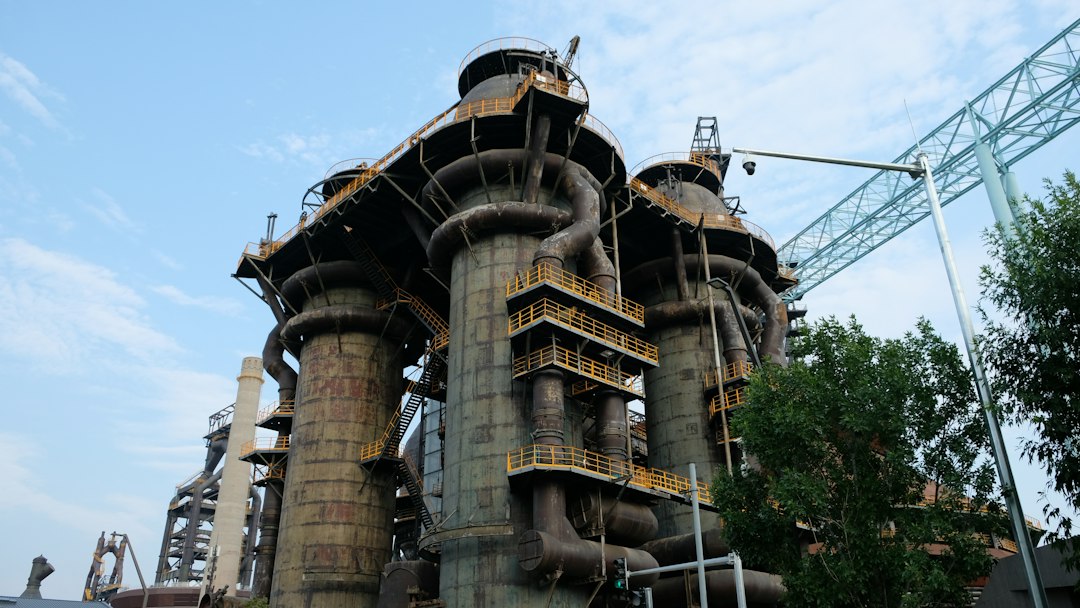
NET ZERO 2019: THE NATIONAL IMPACT ASSESSMENT BRITAIN NEVER HAD
In 2019 Britain changed its legally binding 2050 emissions target from an 80% reduction to Net Zero. The Government recorded that no Impact Assessment had been prepared for the instrument. Seven years later, industry, energy, infrastructure and public finance provide evidence for a national reassessment.
-
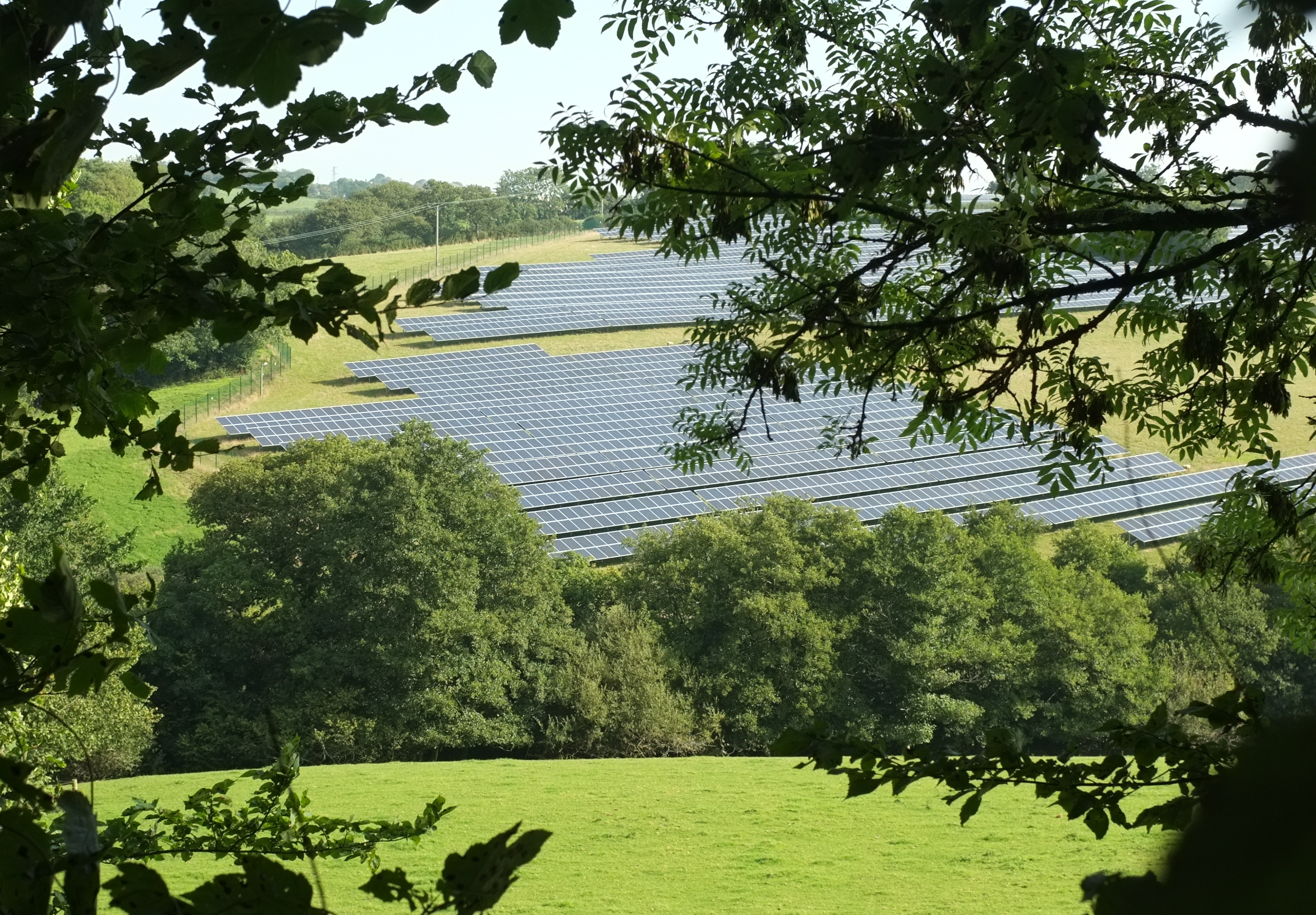
CORNWALL — 4,000 ACRES OF SOLAR, £440 MILLION, AND A COUNTRYSIDE LOSING ONE APPEAL AT A TIME
Eighty-seven large solar sites were already operating by Cornwall Council’s last published count. Three rejected schemes have since been approved on appeal. Yet there is still no complete public account of the cost, grid infrastructure or cumulative transformation.
-
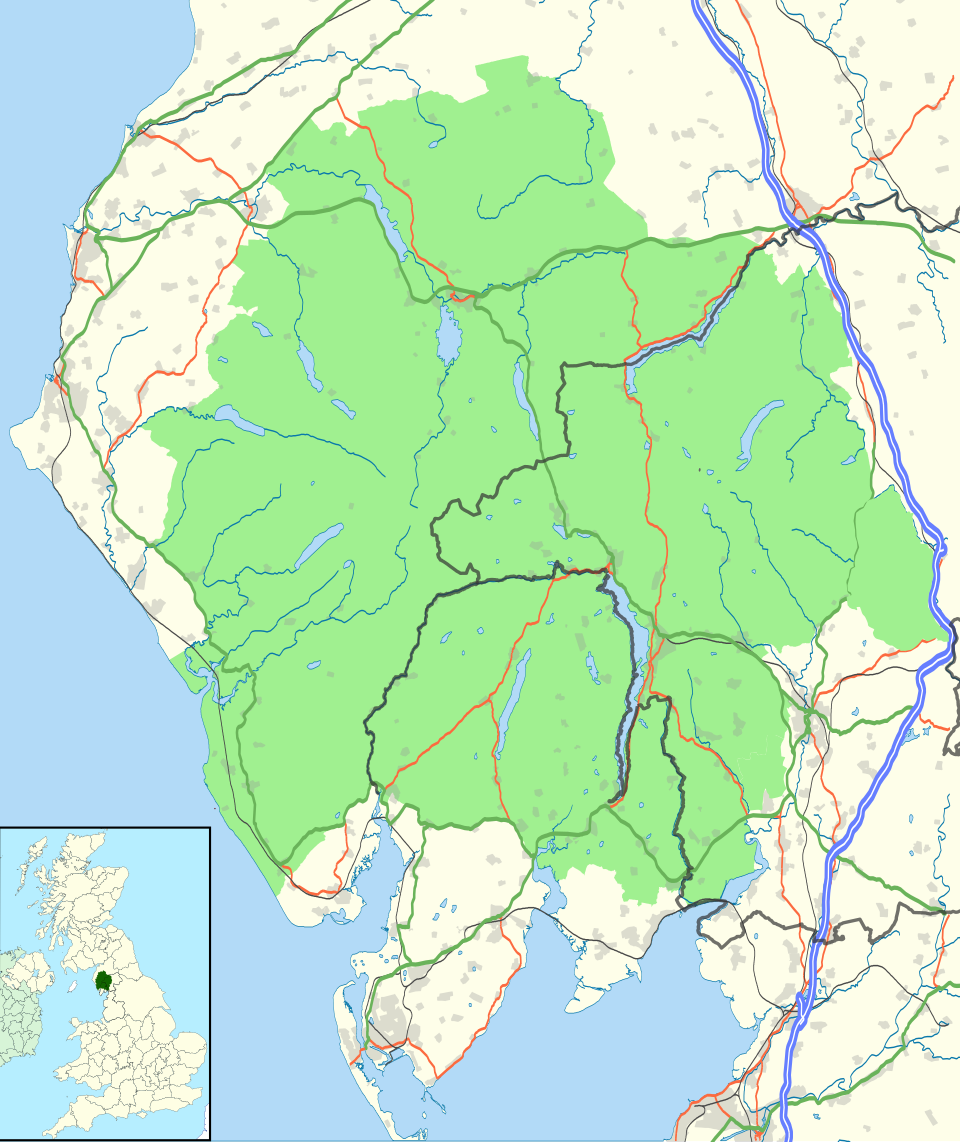
THREE LAKE DISTRICTS FOR ENERGY CROPS. 38% FEWER CATTLE AND SHEEP. WHAT ELSE IS IN THE CARBON BUDGET?
The Seventh Carbon Budget is law. The physical changes assumed beneath it have scarcely been debated. By Shane Oxer | Hope to Save Our Countryside The Lake District National Park covers 236,200 hectares. The Climate Change Committee’s pathway reaches 700,000 hectares of energy crops across the UK by 2050 — an area almost three times…
-

PEAK CLUSTER — £5 BILLION, 290 KILOMETRES, AND A GOVERNMENT THAT SAYS IT DOESN’T HOLD THE COST
Four industrial capture plants. Around 200 kilometres of new pipeline across England. Approximately 90 kilometres beneath the Irish Sea. Public money is already invested—but the Government says it does not hold the complete projected cost.
-

WALES — £9.8 BILLION ON THE LEDGER, £19 BILLION AT SEA — AND STILL NO COMPLETE ACCOUNT
From storm-damaged solar panels on Anglesey to new grid corridors, battery compounds, wind farms, ports and offshore arrays, Wales is being reshaped project by project. The public is still not being shown one complete bill.
-
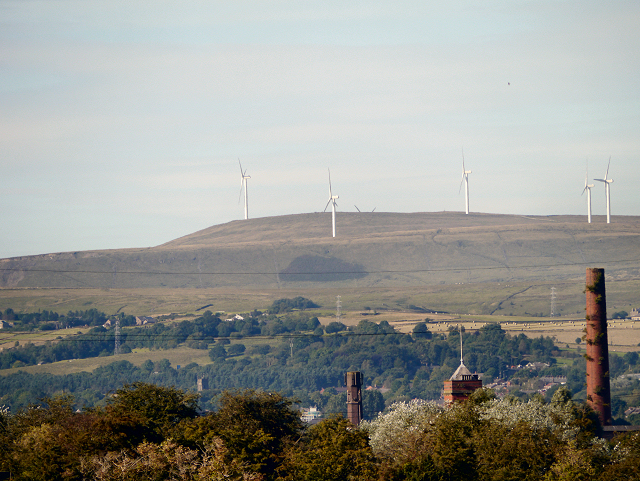
THE THREE PEAKS: 69 TURBINES. £750 MILLION. AND STILL NO COMPLETE GRID ACCOUNT
Scout Moor II, Calderdale Energy Park and Hope Moor would place 69 turbines across three upland landscapes. Their combined headline capacity is about 474MW; the developers’ own forecasts imply an average of about 162MW, while the complete grid and peat account remains unfinished.
-
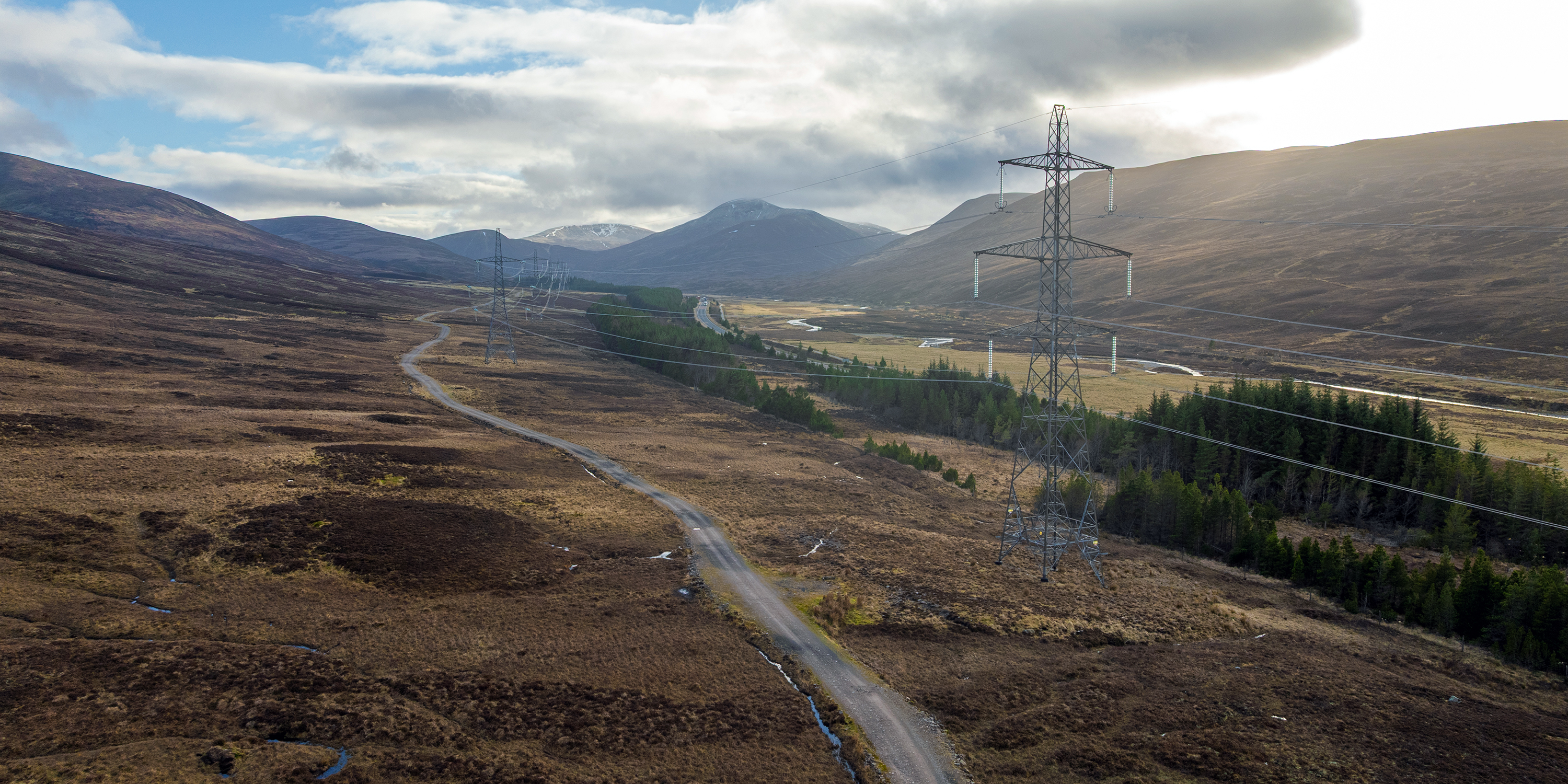
THE HIGHLANDS & ISLANDS — £20 BILLION OF GRID, AND STILL NO COMPLETE ACCOUNT
Across the Highlands and Islands, billions of pounds of transmission, subsea cables, substations, batteries and enabling works are being committed. The infrastructure is increasingly one connected system. The complete public cost account still is not.
-
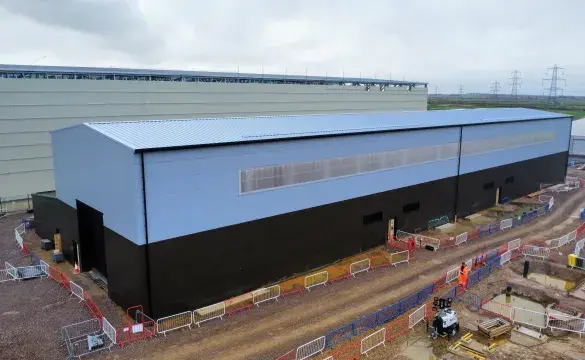
£20 BILLION — AND STILL NO COMPLETE BILL
Kent, Suffolk and Essex expose the fragmented accounting behind Britain’s energy build-out By Shane Oxer — Campaigner for fairer and affordable energy Across Kent, Suffolk and Essex, one of the largest concentrations of new electricity infrastructure in Britain is taking shape. Offshore wind farms measured in gigawatts. Vast solar developments. Battery-storage compounds. New substations. Converter…
-
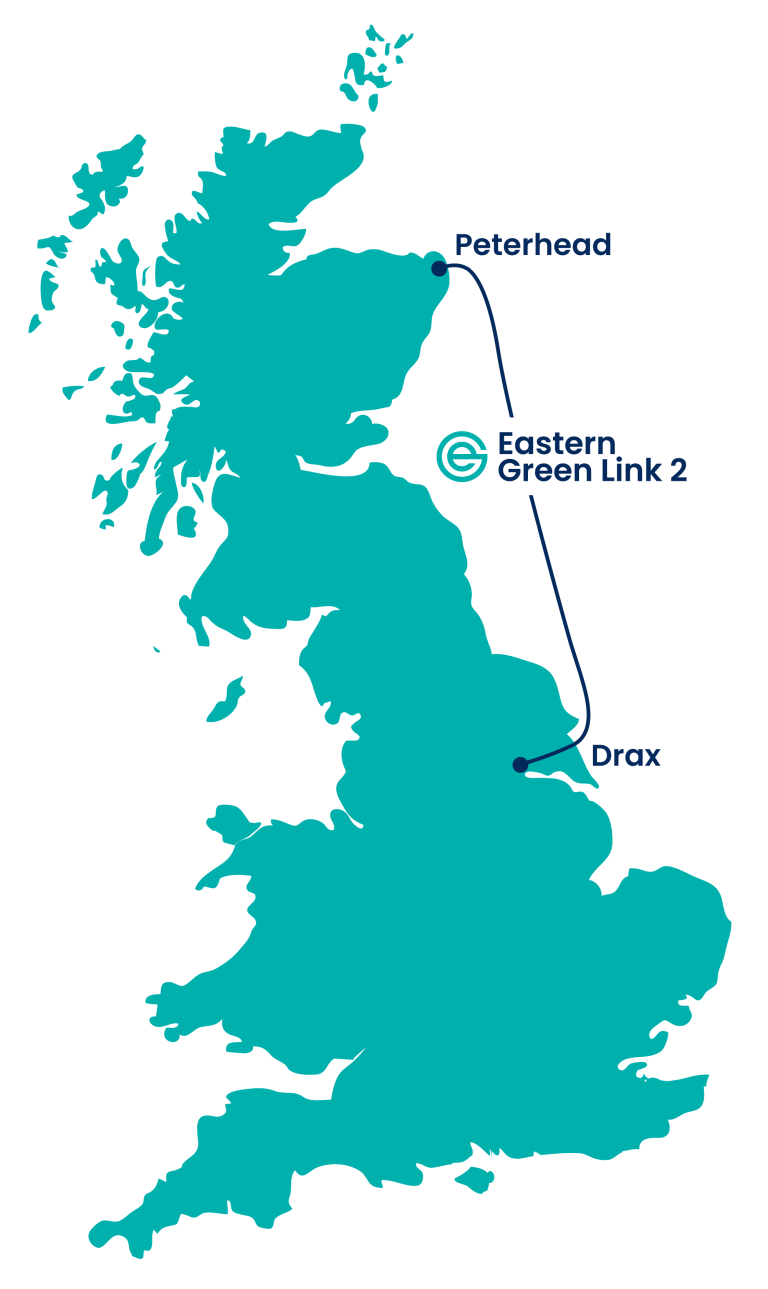
THE CHAOS AND CARNAGE OF THE IDEOLOGICAL DREAM
Hundreds of Billions Committed, Grid Projects Years Behind Need, and Britain Still Without a Complete Whole-System Cost By Shane Oxer — Campaigner for fairer and affordable energy Britain is attempting to rebuild its electricity system on a scale rarely explained to the public. Around £180 billion of generation investment is envisaged between 2025 and 2030.…
-
NORFOLK: THE BILLIONS BEHIND THE ENERGY BUILD-OUT
Petition 780321 asks Parliament for the full cost and impact assessment. Norfolk shows why that question matters. There is a basic question running through the transformation of Britain’s energy system: What is the whole thing actually going to cost? Not the cost of one solar farm.Not one substation.Not one transmission line.The combined cost of generation,…
-
EIGHT SOLAR APPLICATIONS AND A £2.7 BILLION BILL BEFORE THE GRID AND INTEREST
Lincolnshire is being asked to judge each scheme separately while the combined cost runs into billions By Shane Oxer | 24th September 2026 The case for a national impact assessment begins with a simple question. What will the current wave of large solar applications cost when they are considered together rather than one at a…
-
Calderdale Spent £133 Million Fighting Floods. Why Risk Its Natural Defences?
Thirty-four giant turbines, together with foundations, roads, cables and drainage works, are proposed across protected peatland above Hebden Bridge. Before permission is granted, the public deserves proof that the scheme will not make the valley’s flood risk worse. By Shane Oxer. Hope to Save Our Countryside Hebden Bridge lies beneath the steep moorland catchments of…
-
ONE £1 SHARE. £4.4 MILLION OF DEBT. NOT A UNIT OF ELECTRICITY SOLD.
The finance behind Oaklands Farm Solar Park — and where the public really does pick up the bill By Shane Oxer | 23 September 2026 When people are told that solar power is “cheap”, they are shown the panels and reminded that sunshine is free. They are rarely shown the balance sheet behind the project,…
-
Lets hold them to account
If you have opposed a solar farm, wind farm, battery site, pylons, substations or data centres, please support this petition. It is time Parliament demanded the full evidence: the real cost to our bills, our industries, our energy security and our countryside. PLEASE SIGN AND SHARE https://petition.parliament.uk/petitions/780321
You must be logged in to post a comment.